Why Square-Foot Pricing Doesn’t Work in Construction
Square-foot pricing sounds simple; take the total area and multiply it by a number.
But real-world construction doesn’t work that way. Here’s why relying on “per-square-foot” pricing leads to inaccurate bids, blown budgets, and frustrated clients or contractors.
1. It Assumes Every Square Foot Is the Same, It Isn’t
Two buildings can both be 1,000 sq ft… and cost completely different amounts. One might require excavation, drainage, or demo.
Another might need structural upgrades, high-end finishes, or custom steel. Different roof pitches, heights, design complexity, and site conditions all shift costs dramatically. Square footage doesn’t capture complexity — but complexity is where the money goes.
2. It Ignores Material Fluctuations
Materials are volatile: steel, lumber, concrete, insulation, hardware, and electrical components change monthly.
A fixed price per square foot can’t: adjust to market swings, factor in new code requirements, reflect the actual quantities needed,
Actual materials drive your real cost, not square footage.
3. It Doesn’t Account for Variation in Labor
Labor hours depend heavily on details like access to the site, crew size, weather windows, required equipment (lifts, excavators, cranes, etc.), and work complexity.
Two “same size” buildings can have labor differences measured in days or even weeks.
4. Site Conditions Change Everything
Square-foot pricing ignores: Rocky or wet soil, grading requirements, water management, existing utilities, demo, haul-off, dump fees, and accessibility for deliveries.
A difficult site can double your time and cost with zero reflection in the square footage.
5. It Forces Contractors to Guess, and Guessing Creates Problems
When a client asks for square-foot pricing, the contractor has two choices:
A. Guess high → They think you’re overpriced
B. Guess low → You eat the cost or the project fails
Both outcomes damage trust. Detailed estimates, not generalizations, protect both sides.
6. It Can’t Capture Scope Creep
Square-foot pricing never includes: Permits, engineering, inspections, changes in finish level, customizations, equipment rental, staging and logistics, temporary weather protection, warranty expectations
Real projects evolve, and the price must evolve with them.
7. It Leads to Miscommunication
Clients often assume square-foot pricing means all-inclusive, but it rarely is.
Contractors often assume it means bare-bones, but clients expect more.
A detailed, line-item estimate prevents misunderstandings, protects relationships, and sets the foundation for successful projects.
8. The Better Approach:
Scope-Driven, Line-Item Estimating
-Clear scope definition
-Material takeoffs
-Labor calculations
-Site-specific evaluation
-Equipment and logistics planning
-Transparent contingency and overhead
This method ensures accuracy, protects your margins, and builds client trust.
In a Single Sentence
Square-foot pricing doesn’t work because construction cost is driven by complexity, not area.
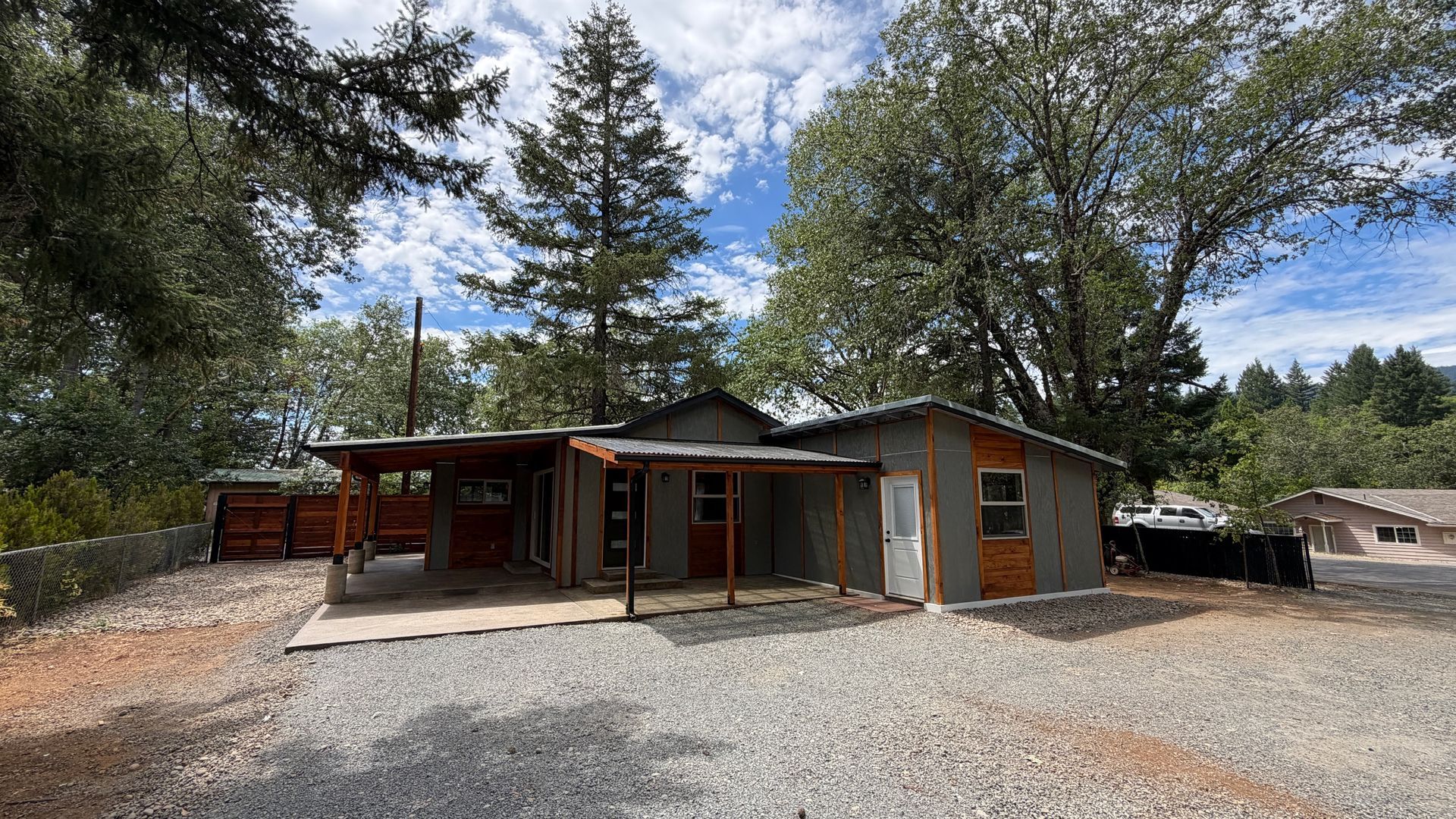
Location, comfort, and opportunity come together in this inviting 3-bedroom, 1-bath home in the heart of Cave Junction, OR.
Managing Metal Building Delivery Delays | ACE Construction Blog
How Investing in Your Community Is Investing in Your Company’s Future
Upgrading from a composite roof to a metal roof isn’t just an improvement; it’s a strategic investment in durability, efficiency, and peace of mind. Done right, it’s the last roof you’ll need to think about for decades. All Construction Elements is here for that.
Fast, accurate subcontractor quotes help construction bids get submitted on time and priced right. Learn why quick numbers matter in Southern Oregon.
Southern Oregon construction, Medford contractor, Grants Pass construction company, construction chain of command, general contractor Southern Oregon, construction project management Oregon
Tiny home villages are a fast, cost-effective housing assistance solution. Learn how thoughtful construction and planning make them successful.
Discover why scope-driven, line-item estimating leads to more accurate construction bids. Learn how ACE Construction delivers transparent pricing and predictable project outcomes.
Why most "bids" are just budget numbers
