Tiny Home Villages: A Practical, Buildable Solution to Housing Assistance
Across the United States, and increasingly in Southern Oregon, tiny home villages are emerging as one of the most effective housing-assistance solutions available today. Unlike traditional shelters or large-scale apartment projects, tiny home villages can be planned, built, and occupied quickly, while still providing dignity, safety, and a clear path forward for residents.
At All Construction Elements (ACE), we view tiny home villages not as a trend, but as infrastructure projects that require thoughtful design, realistic budgeting, and disciplined construction practices to succeed in the long-term.
What Is a Tiny Home Village?
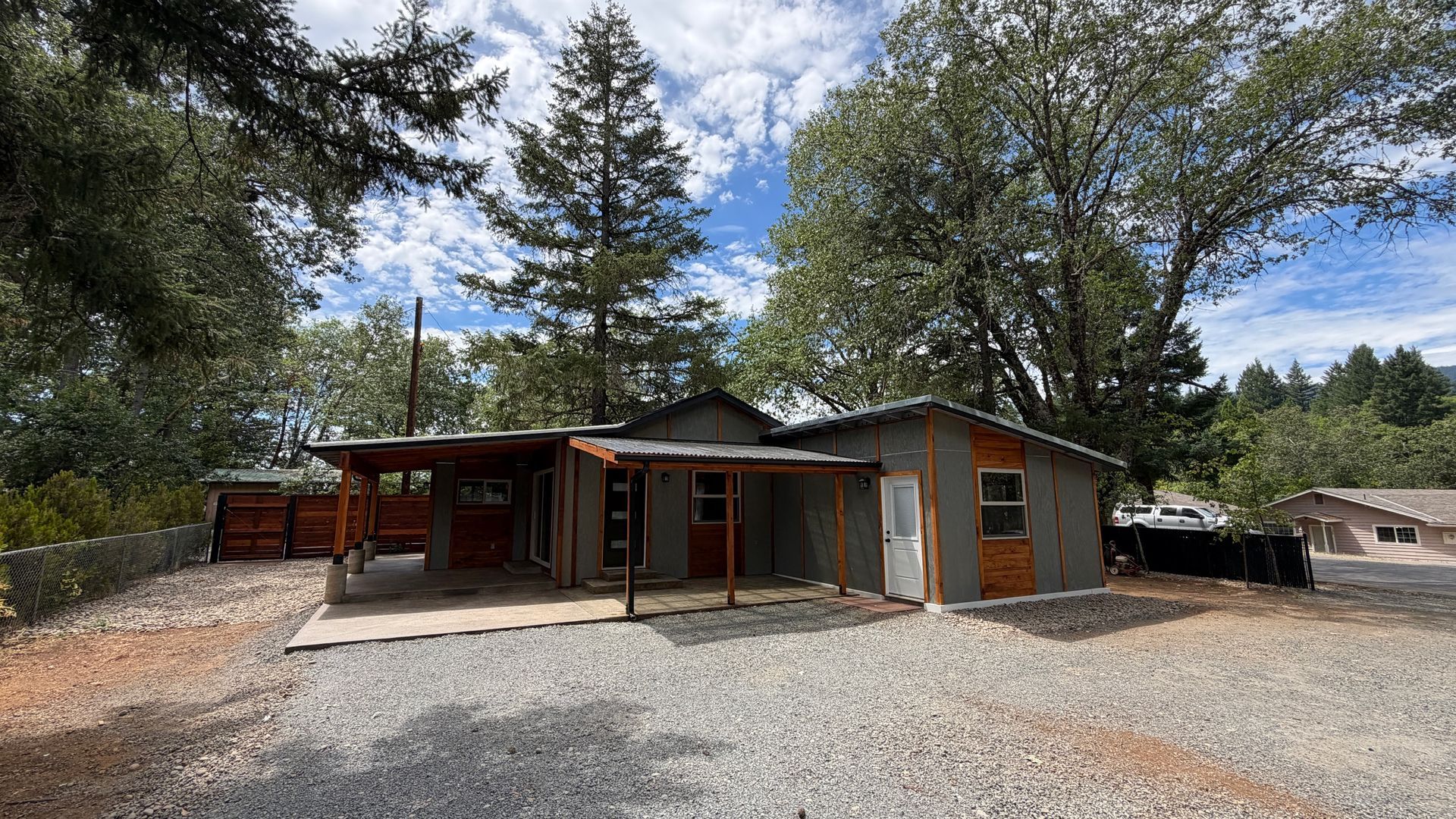
A tiny home village is a planned community of small, detached housing units, typically between 200 and 400 square feet each. These villages are often paired with:
- Shared community or service buildings
- Centralized utilities and infrastructure
- Case management and support services
- Clear operational rules and maintenance plans
Unlike congregate shelters, tiny homes provide private, lockable living space, which is proven to increase stability, safety, and long-term success for residents.
Why Tiny Home Villages Are Gaining Momentum
1. Faster Delivery Than Traditional Housing
From a construction standpoint, tiny home villages offer a major advantage: speed. Smaller footprints, simplified foundations, and modular or panelized components allow projects to move from concept to occupancy far faster than conventional multifamily housing.
This speed matters when communities are responding to urgent housing needs.
2. Predictable Construction Costs
Tiny homes reduce risk by limiting scope creep. When properly estimated and scoped, these projects provide:
- Lower material exposure
- Reduced labor hours per unit
- Easier scheduling and sequencing
- More reliable budget control
For grant-funded or publicly supported projects, predictability is critical.
3. Built for Dignity and Stability
Housing assistance works best when it supports human dignity. Tiny home villages provide residents with:
- Privacy
- Security
- Personal responsibility
- A sense of ownership and routine
These factors directly improve outcomes related to employment, recovery, and permanent housing placement.
The Importance of Village Design
Successful tiny home villages are not just rows of structures; they are intentional communities. From an execution standpoint, key design considerations include:
- Walkable, well-lit layouts
- Clear sightlines for safety without an institutional feel
- Central gathering or service spaces
- Durable, low-maintenance materials
- Logical utility routing and access
At ACE, we emphasize that good design reduces long-term operational costs just as much as it improves livability.
Common Challenges (and How to Avoid Them)
Tiny home villages can fail when planning stops at the buildings themselves. Common challenges include:
- Zoning and code compliance
- Utility coordination and capacity
- Drainage, access, and site preparation
- Long-term maintenance responsibility
- Clear roles between the owner, operator, and service providers
These are not design problems; they are scope and execution problems. Addressing them early is what separates successful villages from stalled or over-budget projects.
Tiny Home Villages as Community Infrastructure
When done correctly, tiny home villages reduce strain on:
- Emergency shelters
- Hospitals and first responders
- Law enforcement
- Temporary motel programs
They function as transitional infrastructure, helping individuals stabilize while communities regain capacity and balance.
From a builder’s perspective, these projects demand professionalism, coordination, and accountability, exactly the kind of work ACE specializes in.
Final Thoughts
Tiny home villages are not a one-size-fits-all solution. But they are one of the most realistic, buildable, and humane housing-assistance models available today.
With proper planning, disciplined estimating, and experienced construction oversight, they deliver real results for residents, municipalities, and the communities they serve.
All Construction Elements (ACE) is committed to building projects that don’t just meet code but meet the moment.